
Beyond Yellow: How to Build a Rainbow Rubber Duck Collection by Color
- Posted on
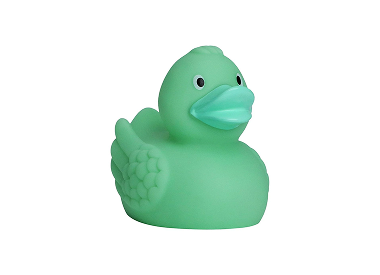
A rubber duck collection rarely starts with a strategy. Most collectors begin with a single duck — often yellow, often nostalgic — and then slowly discover just how deep, creative, and visually rewarding the world of collectible ducks can be. What begins as a curiosity can quickly turn into a curated display of color, design, and character.
Today, collecting goes far beyond the classic yellow duck. Modern collectors build intentional, visually striking collections that showcase personality, fandom, and design appreciation. From collectible rubber ducks inspired by pop culture to artistic designs organized by hue, color has become one of the most compelling ways to curate a collection.
This rubber duck collector guide explores how to move beyond yellow and build a true rainbow rubber duck collection. You’ll learn how to collect by color, display your ducks with purpose, care for them properly, and recognize which color variations and editions add long-term collectibility. Whether you’re just starting or refining an established display, this guide is designed for enthusiasts who see ducks as collectibles — not novelties.
The Rise of Rubber Duck Collecting
Rubber duck collecting has quietly evolved into a global collecting community. What once lived almost exclusively in bathrooms has expanded into shelves, offices, studios, and curated displays worldwide.
From Nostalgia to Global Collecting
For many collectors, the spark starts with nostalgia. Childhood memories, pop culture moments, or iconic appearances — from television to tech culture — often trigger the first purchase. Over time, that emotional connection grows into appreciation for design, rarity, and thematic cohesion.
Many collectors connect through online spaces and shared displays, exchanging ideas about editions, themes, and color-based collections.
The Role of CelebriDucks and TUBBZ
Two categories helped redefine ducks as collectibles:
- CelebriDucks collectible Celebrity-inspired ducks are proper bath toys, weighted, sealed, and designed to float upright. They can be enjoyed in the tub while still appealing to collectors through character-inspired designs.
- TUBBZ ducks are officially licensed merchandise from each franchise they represent, such as Official Star Trek merchandise or Official Lord of the Rings merchandise. These are collectible figures, featuring detailed character designs and often packaged in distinctive bathtub-style display cases. TUBBZ ducks are collectibles first and not intended for water play.
This shift helped position ducks as display-worthy collectibles rather than simple novelties, opening the door to intentional collecting strategies — especially by color.
Building a Rainbow Rubber Duck Collection
A rainbow rubber duck collection focuses on color as the organizing principle. Instead of collecting randomly, collectors aim to represent every color category with one or more carefully chosen ducks.
Why Color-Based Collecting Works?
Color-based collections are visually striking, flexible, and endlessly expandable. They allow collectors to:
- Mix brands and designs while maintaining cohesion
- Highlight artistic and character variation
- Create displays that feel curated rather than cluttered
Rather than buying multiple similar ducks, collectors select standout pieces that represent each color category.
How to Collect Strategically by Color?
A structured approach helps avoid duplicates and impulse buys:
- Start with one duck from each main color category
- Upgrade selectively as rare or limited designs appear
- Mix styles — character-based, artistic, novelty — within each color
- Keep balance in mind when displaying lighter and darker hues
Many collectors begin with classic yellow rubber ducks before expanding into other colors.
Display Ideas by Setting
A thoughtful colored rubber duck display elevates a collection from a shelf of objects into a visual statement.
Home Offices and Creative Spaces
Many tech professionals and creatives connect with the idea of “rubber duck debugging,” where explaining a problem out loud to a rubber duck helps the duck owner to solve it. A color-organized duck display in a home office adds personality while nodding to this tradition.
Use:
- Floating shelves organized by color gradient
- Small display risers to create depth
- Neutral backdrops so colors stand out
Cool-toned shelves often feature blue rubber ducks paired with neutral shades for balance.
Bathroom Shelves
Bathrooms remain a popular display area, but serious collectors elevate the look:
- Use open shelving away from direct water exposure
- Group ducks by color family rather than randomly
- Avoid placing collectible-only ducks in water
Living Room Curio Cabinets
Curio cabinets offer protection and presentation. Glass-front cabinets work especially well for rainbow displays, allowing light to enhance color without direct exposure to dust.
Collectors often anchor these displays with bold tones like black rubber ducks to create contrast.
Themed Shelving Units
Some collectors dedicate entire shelving units to color stories:
- Warm tones on one shelf
- Cool tones on another
- Monochrome shelves with varied designs
Warm palettes frequently include red rubber ducks and orange rubber ducks to add visual energy.
Care and Maintenance for Colored Ducks
Maintaining color vibrancy is essential for long-term enjoyment and long-term value within a rubber duck collection, especially when building a visually balanced rainbow rubber duck collection.
Avoiding Sun Fading
Direct sunlight can dull colors over time. To protect a colored rubber duck display, display ducks:
- Away from windows
- In shaded or indirectly lit areas
- In cabinets, if possible
Lighter tones, such as white rubber ducks, benefit especially from controlled lighting.
Cleaning Tips
If a duck has been used in water:
- Rinse thoroughly with clear water
- Gently squeeze to remove excess water
- Dry inside and out as best as possible
For display-only ducks, a soft, dry cloth is usually enough to remove dust.
Storage Considerations
When rotating displays:
- Store ducks in cool, dry spaces
- Avoid stacking heavy items on top
- Keep original packaging for collectible editions when possible
Rare and Limited Editions: Why Color Matters
Color variations play a significant role in the appeal of collectible rubber ducks. Limited color runs, exclusive shades, or seasonal variations often become more sought-after within a growing rubber duck collection.
Collectors often seek out unique shades like purple rubber ducks or nature-inspired tones such as green rubber ducks to differentiate their displays and add contrast within a rainbow rubber duck collection.
What Increases Collectibility
Collectors often look for:
- Limited production colors
- Franchise-specific color themes
- Unique finishes or detailing
- Special packaging variations
Color alone doesn’t guarantee value, but when paired with scarcity and design quality, it can significantly enhance collectibility.
Starting Your Collection: A Beginner’s Guide
If you’re new to collecting, color is one of the easiest and most intuitive ways to begin building a rubber duck collection with intention. A color-based approach helps new collectors stay focused while still allowing room to explore different designs and styles over time.
Choosing Your First Ducks
Start with:
- One color you love
- One design that resonates personally
- One duck that represents a franchise or theme you enjoy
This approach aligns well with a rubber duck collector guide mindset, encouraging thoughtful selection rather than impulse buying. From there, you can gradually expand to additional colors.
Setting a Long-Term Vision
As your rubber duck collection grows, it’s useful to think ahead:
- Do I want one duck per color or multiple?
- Will I focus on characters, art, or novelty?
- Where will I display them?
A clear vision keeps collecting, focused and rewarding.
Exploring the Full Color Range at Le Petit Duck Shoppe
Every great collection needs a trusted destination. Le Petit Duck Shoppe offers a wide variety of ducks suited to every taste, from bold colors to subtle shades.
We offer a wide variety of duck styles and designs, allowing collectors to explore different looks without being limited to a single style or brand. Knowledgeable staff members are also available to help collectors find ducks that fit their vision, whether you’re building your first rainbow display or refining a long-established collection.
Le Petit Duck Shoppe ships worldwide and focuses on collectors who value selection, design, and thoughtful curation.
Collectors can explore our color-based rubber duck collection.
Conclusion
Building a rainbow rubber duck collection is about more than color — it’s about intention, design appreciation, and personal expression. With thoughtful selection, proper care, and creative display, a color-based collection can become a centerpiece that evolves.
For collectors looking to expand with purpose, exploring a wide color range and understanding the differences between display-only collectibles and bath-use ducks makes all the difference. With the right approach, your collection can go far beyond yellow — and become something truly your own.
For collectors who appreciate design variety as much as color, browsing the full range of rubber duck designs showcases creative themes and character styles across different hues.
Frequently Asked Questions
What is the best way to display a rubber duck collection?
The best way to display a rubber duck collection depends on whether the ducks are intended for display only or occasional use. Serious collectors often choose shelves, curio cabinets, or themed displays that organize ducks by color or design. A colored rubber duck display works especially well when arranged in a gradient, moving from light to dark tones or warm to cool colors. Floating shelves in home offices, glass cabinets in living spaces, and dedicated display units allow collectors to showcase a variety while keeping ducks protected from dust and sunlight. Display-only ducks, such as BUD ducks or TUBBZ collectibles, should remain out of water, while CelebriDucks can be enjoyed in the tub and then returned to a dry display area. Lighting, spacing, and balance all play a role in creating a visually pleasing presentation.
How do collectors organize rubber ducks by color?
Many collectors organize their rubber duck collection by grouping ducks into clear color families such as reds, blues, greens, neutrals, and accent colors. Some prefer a strict rainbow sequence that moves from light to dark tones, while others organize within each color category to highlight design variation and character styles. Using risers or tiered shelving helps prevent darker shades from visually overpowering lighter ones and adds depth to the display. Organizing by color also makes it easier to spot gaps in a rainbow rubber duck collection, allowing collectors to add new pieces intentionally. This approach works well across brands and styles while keeping the display cohesive.
What makes a rubber duck collectible?
A duck becomes collectible based on purpose, design, and context. Collectible rubber ducks are often produced as display items, feature detailed designs, or are tied to specific themes or franchises. TUBBZ ducks, for example, are officially licensed merchandise from each franchise and are created as collectible figures with detailed character designs. Other ducks, such as Greek Ducks or BUD ducks, are collectible only and not intended for water use. Rarity, color variation, packaging, and condition also contribute to collectibility. A duck’s story and how it fits within a broader collection often matter just as much as the object itself.
How many rubber ducks does the average collector own?
There is no standard number, but many collectors report owning anywhere from a few dozen to several hundred ducks over time. Serious collectors often build gradually, adding pieces that align with specific color categories, designs, or themes rather than collecting in bulk. A rubber duck collector guide mindset encourages thoughtful expansion, where each addition serves a purpose within the overall display. Some collectors aim for one duck per color, while others develop multiple variations within the same color family. The size of a collection usually reflects available display space, personal interest, and long-term collecting goals rather than any typical benchmark.