
The Complete Guide to Colored Rubber Ducks and What Each Color Means
- Posted on
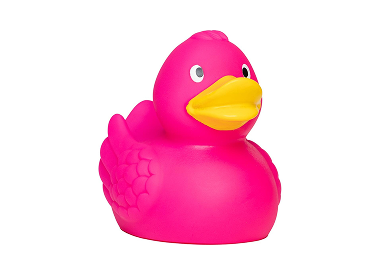
Colored rubber ducks are no longer just cheerful yellow icons. Today, collectors, gift-givers, and décor lovers choose ducks by color to express personality, celebrate milestones, and build visually striking collections. From soft pastel pinks to bold black statement ducks, each color tells a story — and choosing the right one can completely change how a duck is perceived and displayed.
While the classic yellow duck still holds a special place in pop culture, modern collections have expanded into a full spectrum of colors, each associated with different emotions, occasions, and styles. Whether you’re starting a color-based rubber duck collection, looking for a meaningful gift, or simply curious about what different rubber duck colors represent, this guide breaks it all down clearly and thoughtfully.
In this complete guide to colored rubber ducks, we’ll explore where the iconic duck came from, what each color symbolizes, and how to choose the perfect duck based on purpose, mood, or theme.
The Origins of the Classic Yellow Rubber Duck
Before colored rubber ducks became popular, the yellow duck set the standard. Its bright color, simple shape, and friendly expression made it instantly recognizable across generations.
By the mid-20th century, duck designs began shifting away from rigid novelty figures toward softer, more expressive forms, helping establish the familiar duck shape recognized today. These designs laid the foundation for the modern duck shape still recognized today. By the 1970s, the yellow duck became a global cultural icon thanks to Sesame Street’s “Rubber Duckie” song, firmly cementing its association with joy, familiarity, and nostalgia.
Yellow wasn’t chosen by accident. The color is visually apparent, emotionally uplifting, and strongly associated with happiness and innocence. Even now, yellow remains the reference point against which all other rubber duck colors are compared.
What Different Rubber Duck Colors Mean
Color plays a decisive role in how we interpret objects. When it comes to colored rubber ducks, each shade brings its own symbolism, emotional tone, and ideal use case.
Yellow Rubber Ducks: Nostalgia and Timeless Joy
Yellow rubber ducks represent:
- Childhood innocence
- Happiness and optimism
- Classic design and tradition
- High visibility and familiarity
Collectors often choose yellow ducks to highlight traditional designs or create a nostalgic anchor in their collection. They’re also popular for bright displays and cheerful décor themes.
Explore classic options in the Yellow Rubber Duck collection.
Pink Rubber Duck Meaning: Playfulness and Celebration
The pink rubber duck's meaning is closely tied to warmth, playfulness, and celebration. Pink ducks are commonly associated with:
- Baby girl showers
- Playful or whimsical displays
- Breast cancer awareness initiatives
- Soft, joyful aesthetics
Pink ducks are especially popular for gifting and themed collections that lean toward lighthearted or symbolic messages.
Browse styles in the Pink Rubber Duck collection.
Blue Rubber Ducks: Calm and Classic Themes
A blue rubber duck often symbolizes:
- Calmness and serenity
- Nautical or ocean-inspired themes
- Baby boy celebrations
- Clean, minimal color palettes
Blue ducks work well in balanced collections and are frequently used in event décor where a softer, cooler tone is desired.
Discover available styles in the Blue Rubber Duck collection.
Black Rubber Ducks: Bold, Modern, and Collectible
A black rubber duck stands out instantly. These ducks are associated with:
- Modern and edgy décor
- Gothic or Halloween themes
- Minimalist and monochrome displays
- Statement pieces for collectors
Adult collectors especially value black ducks for their unexpected and visually striking presence.
See designs in the Black Rubber Duck collection.
Red Rubber Ducks: Passion and Impact
Red rubber ducks are bold and expressive. They often represent:
- Passion and excitement
- Valentine’s Day themes
- Eye-catching décor
- Strong focal points in displays
Because of their intensity, red ducks are often used sparingly to create contrast within a color rubber duck collection.
See designs in the Red Rubber Duck collection.
Green Rubber Ducks: Nature and Seasonal Themes
Green rubber ducks are commonly associated with:
- Nature and freshness
- Eco-inspired décor messaging
- St. Patrick’s Day celebrations
- Outdoor or garden-themed displays
They blend well with earth-tone collections and seasonal arrangements.
See designs in the Green Rubber Duck collection.
Purple Rubber Ducks: Creativity and Individuality
Purple ducks symbolize:
- Creativity and imagination
- Royalty and uniqueness
- Collector exclusivity
- Artistic displays
They’re a favorite among collectors looking to add depth and personality to their lineup.
See designs in the Purple Rubber Duck collection.
White Rubber Ducks: Elegance and Simplicity
White rubber ducks represent:
- Purity and simplicity
- Weddings and formal celebrations
- Clean, minimalist décor
White ducks are often chosen for elegant displays or special occasions where subtlety matters.
Color Selector Guide: How to Choose the Right Colored Rubber Duck
Choosing the right duck depends on how you plan to use or display it. This Color Selector Guide helps narrow it down.
Choose by Occasion
- Baby showers: Pink, blue, or mixed colors
- Weddings: White or soft pastel tones
- Seasonal events: Green (spring), black (Halloween), red (Valentine’s Day)
Choose by Personality
- Playful and cheerful: Yellow or pink
- Calm and minimal: Blue or white
- Bold and expressive: Red or black
Choose by Display Style
- Rainbow or gradient shelves: One duck from each color
- Monochrome décor: Black or white ducks
- Eclectic collections: Purple and mixed colors
For a full spectrum of options, explore the complete color collection of colored rubber ducks.
Building a Color Rubber Duck Collection
Many collectors intentionally build a color-rubber-duck collection, selecting one duck from each color family. This approach creates visually satisfying displays and allows collectors to explore a wide range of styles without duplicating designs.
Color-based collections are especially popular for:
- Shelf displays
- Curio cabinets
- Office décor
- Themed room styling
A rainbow-style arrangement offers immediate visual impact and tells a cohesive story.
Discover Colored Rubber Ducks at Le Petit Duck Shoppe
At Le Petit Duck Shoppe, you’ll find a wide variety of rubber ducks spanning every color, style, and theme. The collection includes classic designs, modern statement pieces, celebration-ready ducks, and highly collectible figures.
Whether you’re searching for a specific color, starting a new collection, or expanding an existing one, the team is always available to help you find the perfect duck to match your vision. With a wide range of styles and designs available, the selection suits many tastes — from subtle elegance to bold, playful designs.
Conclusion
Colored rubber ducks offer more than visual variety—they bring meaning, personality, and intention to a collection. By understanding color symbolism and display styles, collectors can create thoughtful arrangements that feel cohesive and expressive. Whether building a full rainbow display or choosing a single standout shade, color transforms rubber ducks from simple objects into curated collectibles.
Frequently Asked Questions
Why are rubber ducks traditionally yellow?
Yellow became the traditional choice among rubber duck colors because it is visually striking and emotionally positive. Early duck designs benefited from yellow’s high visibility, which made the familiar shape easy to recognize in displays and collections. Over time, yellow became deeply embedded in popular culture, most notably through Sesame Street’s “Rubber Duckie” song, which introduced generations to the cheerful image of a yellow duck. Even as manufacturers introduced new color variations, yellow remained the reference point for collectors. Today, yellow ducks often symbolize nostalgia, simplicity, and tradition, making them a natural starting point when exploring color-based duck collections.
What does a pink rubber duck symbolize?
The pink rubber duck's meaning is commonly associated with playfulness, warmth, and joyful expression. Pink ducks are frequently chosen for celebratory displays, thoughtful gifts, and themed collections that aim to feel lighthearted and visually soft. The color pink carries strong emotional cues tied to affection and positivity, which makes it appealing for collectors who want to add a friendly or expressive element to their display. In mixed-color arrangements, pink ducks often provide contrast against darker or neutral tones. Their symbolism makes them especially popular for milestone events and decorative settings where a cheerful, approachable aesthetic is desired.
What color rubber duck is best for a baby boy shower?
A blue rubber duck is often chosen for baby showers because the color is widely associated with calmness, balance, and gentle styling. Blue works well in decorative centerpieces, shelf displays, and table arrangements without overpowering the overall theme. Many hosts appreciate blue for its versatility, as it pairs easily with neutral tones like white or yellow. While modern celebrations sometimes favor mixed or gender-neutral color palettes, blue remains a familiar and trusted option. Ultimately, the best choice depends on the event’s visual theme, but blue continues to be a popular and adaptable color for baby-focused celebrations.
Do different colored rubber ducks have different meanings?
Yes, colored rubber ducks are often interpreted differently based on cultural, emotional, and visual associations. Each color is commonly associated with certain moods or purposes, which can influence how collectors and decorators choose to use them. Lighter colors are commonly linked to playful or celebratory settings, while darker tones may be chosen for modern or statement-driven displays. These associations help guide color selection when building themed arrangements or collections. Rather than being purely decorative, color choice becomes a form of expression, allowing individuals to curate displays that reflect personality, occasion, or aesthetic preference without relying on character-based designs.
How do collectors choose colors for display?
When organizing a rubber duck collection, collectors often select colors based on visual balance, contrast, or personal symbolism. Some prefer rainbow-style displays with one duck from each color family, creating a cohesive and eye-catching arrangement. Others focus on a single color palette to achieve a more minimalist or curated look. Display location also plays a role, as bold colors tend to stand out on open shelves, while softer tones suit refined interiors. Over time, color selection becomes part of the storytelling process, helping collectors shape how their collection is experienced at first glance.